
How to eliminate security tool sprawl

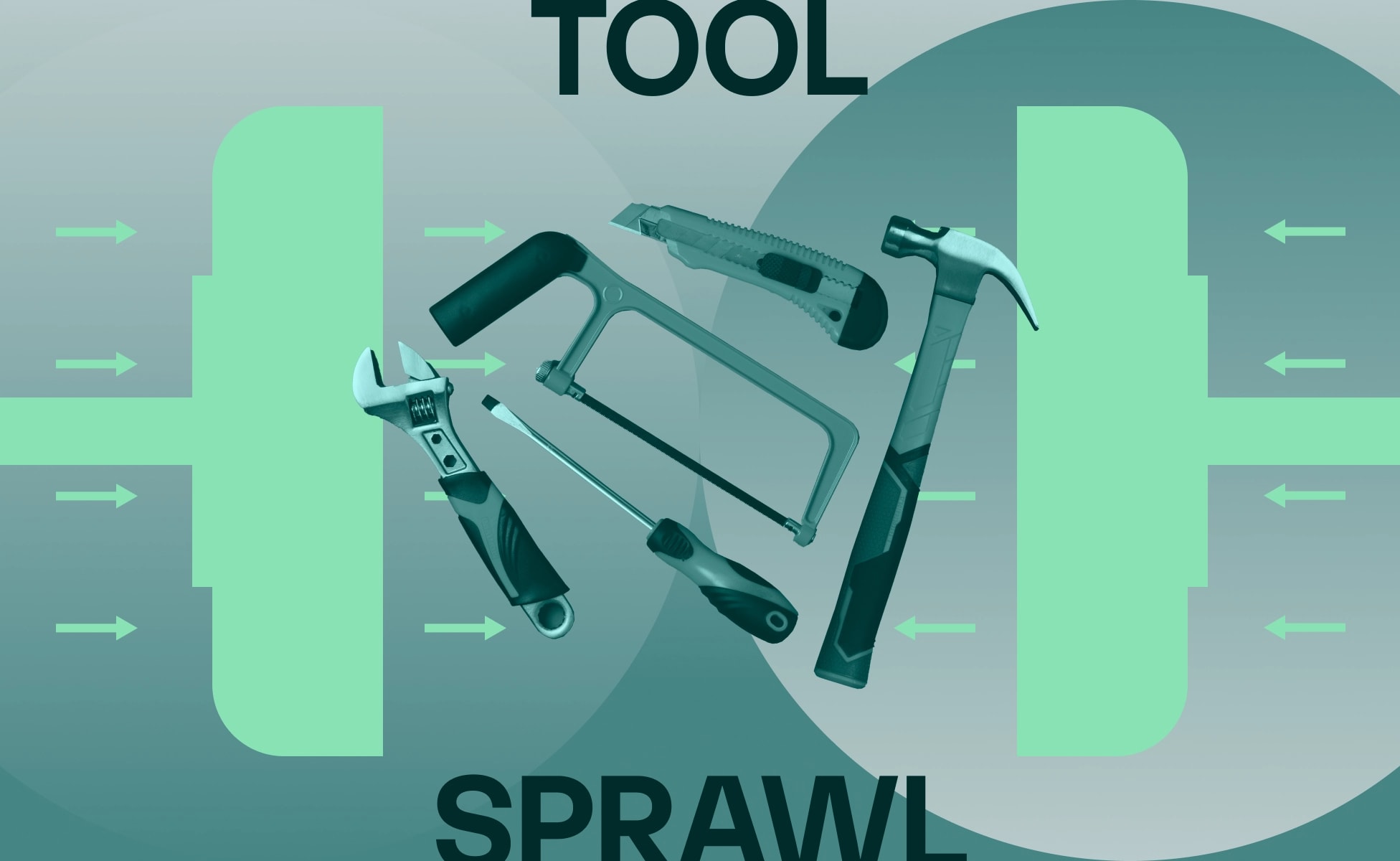
Here's how it usually starts: You need SOC 2 to close that enterprise deal. You pick a GRC platform because everyone says it'll automate compliance. It does, sort of: It gives you a dashboard and a to-do list, but you still need someone to actually execute the tasks.
Then you realize the GRC platform doesn't scan your cloud infrastructure, so you add more security tools, like Wiz for cloud scanning, CrowdStrike for endpoints. But Wiz doesn't manage your devices, so you bring in Kandji for MDM.
Now, you need a vulnerability scanner because the cloud tool doesn't cover your applications, plus infrastructure monitoring to track performance and availability. Then your auditor asks about third-party risk management, so you're evaluating TPRM solutions. Oh, and you still need to coordinate penetration testing annually.
Six months later, you're managing multiple tools, your team is drowning in alert fatigue, and the "automation" you bought has mostly automated the creation of more work.
This is the compliance-to-sprawl pipeline, and it's where most security programs end up. The promise of "compliance automation" often delivers a sophisticated to-do list, not actual security operations. Each tool solves one problem but creates three integration headaches. And the worst part? Nobody set out to build this Frankenstein stack; it just happened, one reasonable purchase decision at a time.
What does cybersecurity tool sprawl actually cost you?
Let me be specific about what this mess actually costs, because "too many tools" undersells the problem. The real damage isn't just in your software budget.
The obvious costs
The direct expenses add up fast:
- GRC tool: $15k-30k/year
- Cloud security scanner: $24k/year
- MDM solution: $18k/year
- MSSP for implementation help: $40k-60k (conservative)
- Pen testing: $10k-15k
- Total: $107k-147k
Before you know it, you're spending ~$150k annually just on tooling, not counting the people who need to operate it.
Then there's the training and onboarding burden for each platform. Every new tool means learning a different interface, a different workflow, a different integration pattern. Your team isn't getting more efficient—they're getting better at context-switching between eight different dashboards.
And integration maintenance? That's the hidden tax nobody talks about during the sales process. APIs change, authentication breaks, data formats shift. Someone on your team is now the unofficial "integration babysitter," spending hours troubleshooting why the vulnerability data isn't flowing into your GRC platform anymore.
The hidden costs
But the obvious costs of ‘more tools’ aren't the real problem. The hidden costs are what actually kill security programs.
Tribal knowledge risk: When one person holds the context for how all the tools connect, you've created a single point of failure. I've seen this firsthand in sales conversations—a compliance lead tells me they're the only one who knows which evidence lives where, what the auditor expects from each control, and how to interpret the cloud security findings. If they leave or go on vacation, the program grinds to a halt.
I hear this constantly from compliance teams: They have disjointed documents scattered across different audits and fragmented tools, with results living in such isolated silos that getting a unified view of their security posture becomes a manual research project. Teams end up with great visibility into individual tools but no way to answer the simple question: “What's our overall risk profile right now?”—much less actually strengthen security posture across the board.
That's not a security program. That's institutional fragility masquerading as compliance.
Engineer time drain: Your security engineers should be closing critical vulnerabilities, not taking screenshots for audit evidence. Yet I routinely hear about teams spending 30-40% of their time on GRC tasks because the "automated" platforms still require manual evidence collection, manual access reviews, manual policy updates.
I hear variations of this constantly from security leaders: Their IT teams and security engineers should be focused on actual security work (IT security, OT security, product security), but instead they're spending 30-40% of their time taking screenshots and compiling evidence for GRC compliance.
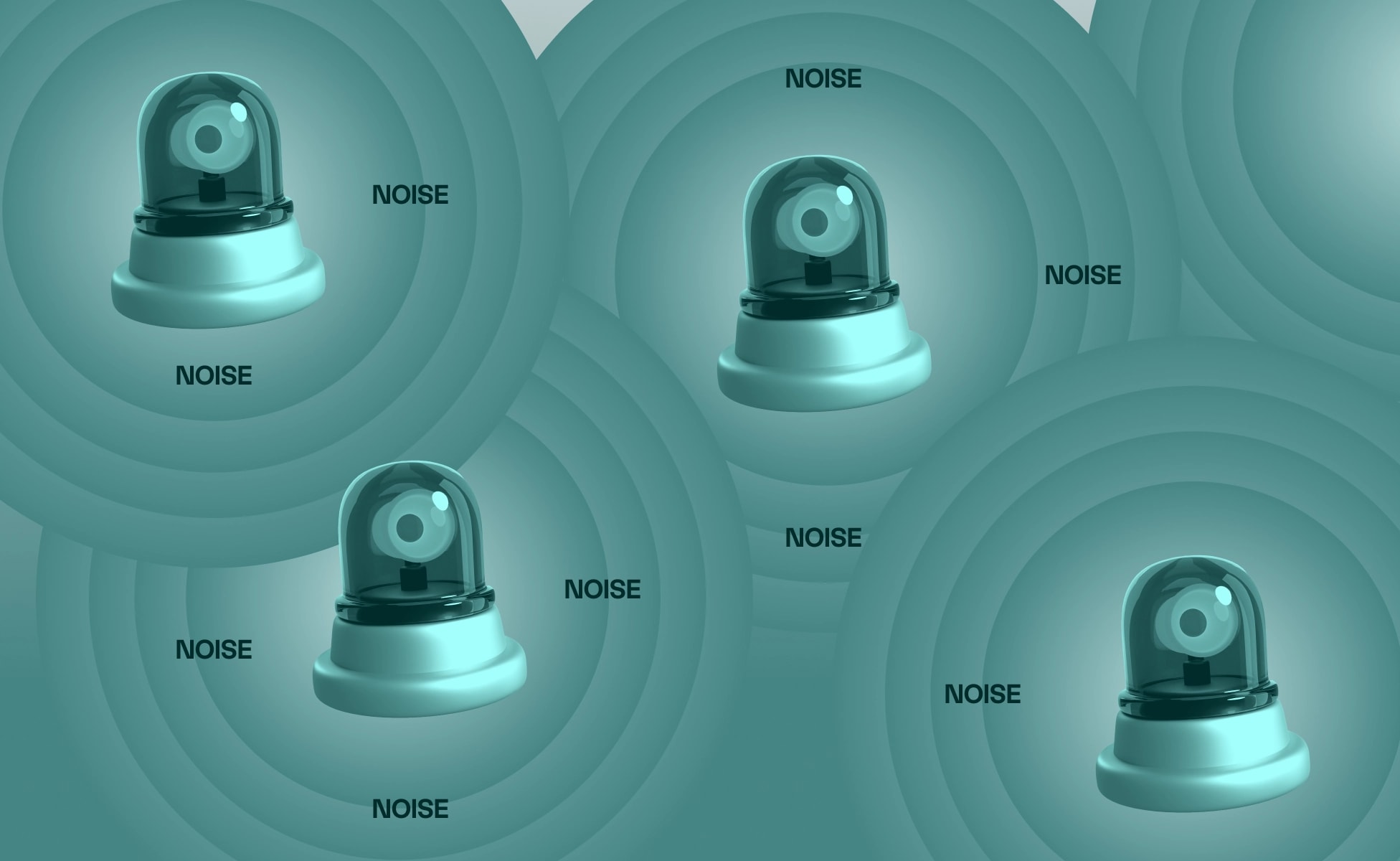
Alert fatigue and blind spots: Multiple threat detection tools firing alerts for the same event creates noise. Your cloud scanner detects a misconfiguration, your vulnerability scanner flags it differently, your SIEM logs it as a security event, and your GRC platform marks it as a failed control. Now someone needs to triage which alert matters and manually correlate them. Or worse—gaps where no tool is watching because everyone assumed someone else had it covered.
The strategic cost
Here's where it gets expensive in ways that don't show up on the P&L. You can't move fast on new compliance frameworks when your stack is held together with duct tape and one person's institutional knowledge.
Want to pursue SOC 1 because you're launching an API product? That requires understanding which controls map across frameworks, which evidence you can reuse, and which gaps you need to fill. If your current SOC 2 program is barely functional, adding another framework isn't automation—it's compounding technical debt.
Every new enterprise deal that requires a security questionnaire becomes a fire drill. Vendors ask about your TPRM process, your incident response capabilities, your data classification scheme. The answers are theoretically in your tools, but actually compiling them requires logging into six different systems and hoping nothing has changed since the last time you answered these questions.
Tool sprawl doesn't just cost money and time; it costs business velocity.
Why consolidation advice usually fails
The standard playbook says you can reduce tool sprawl like this: Inventory your tools, identify overlaps, consolidate to platforms, standardize on best-of-breed solutions. This advice isn't wrong—it's just incomplete. And following it without understanding why it fails creates new problems.
I've audited enough security programs to see the pattern. A company recognizes they have sprawl, hires a consultant or follows a framework, and dutifully consolidates from 12 redundant tools down to 4 platforms. Six months later, they're just as overwhelmed, just differently.
New Problem 1: Platform consolidation creates new single points of failure
You've traded 8 small dependencies for 1 massive one. Your GRC platform now handles compliance, risk management, vendor assessments, and policy management. Great—until that platform has an outage, changes their pricing model, or gets acquired by a company with a different strategic direction.
The consolidation advice treats vendor count as the problem. It's not. Dependencies are the problem. Reducing 8 dependencies to 1 doesn't reduce your risk; it concentrates it.
New Problem 2: Most "unified platforms" still require you to operate them
This is the part nobody tells you in the demo. You've reduced tool count but not operational burden. Someone still needs to configure the integrations, tune the alerts, interpret the findings, chase down the evidence, manage the exceptions, coordinate with auditors.
I watched a company migrate from Vanta to a competitor because they wanted "better" consolidation. They spent three months on the migration. Their engineer time spent on GRC tasks? Exactly the same. They'd changed the dashboard they looked at, not the underlying operational model.
New Problem 3: The tools aren't the root cause
Tool sprawl is a symptom of buying point solutions to check compliance boxes without thinking about who actually runs the program day-to-day. (This applies equally to observability tools, where teams face similar fragmentation across application performance monitoring, logging, and infrastructure tracking.)
You bought the GRC platform because you needed SOC 2. You bought the cloud scanner because the auditor asked about it. You bought the MDM because device management was a gap. Each purchase was rational in isolation.
But nobody asked: "Who is going to operate all of this?" And the answer—"our one security person who's also doing three other jobs"—should have immediately changed the buying criteria.
The real question isn't "how do I have fewer tools?" It's "how do I have fewer things my team needs to manually operate?"
What *actually* reduces security tool sprawl
I've built security programs on both sides—as an auditor seeing what works (and what becomes performative compliance theater), and as a practitioner implementing these systems. The approaches that actually reduce sprawl start with operations, not vendors.
Start with operations, not tools
Before asking "what tools do we need," ask "who is actually going to run this?" If the answer is "our one security person who's also doing three other jobs," no amount of tool consolidation will help. You're just giving one person more platforms to keep alive.
The goal is reducing operational surface area, not just vendor count. I'd rather see a company running six tools where five are fully managed services than three platforms where all three require daily manual work.
Action: For each tool in your stack, map who configures it, who monitors it, who acts on its outputs, and who troubleshoots when it breaks. You're looking for human dependencies, not just integrations. Write down names, not role titles. If the same three names appear everywhere, you've found your bottleneck.
Centralize context, not just data
Plenty of platforms promise to "consolidate" by pulling data into one dashboard. Log aggregation, unified alerting, single pane of glass—the marketing varies but the concept is the same.
Dashboards don't solve the problem if the context of what that data means still lives in someone's head.
Your cloud scanner flags a critical vulnerability. Is it actually critical for your environment? Does it affect production systems or just a development sandbox? Does fixing it break something in your CI/CD pipeline? Is this the third time this specific issue has appeared because the remediation process isn't working?
That context (risk tolerances, business impact, remediation workflows, historical patterns) is what makes security programs work. If it exists only as institutional knowledge, you haven't reduced operational burden. You've just created a better-looking interface for the same underlying fragility.
You need a system that understands your risk tolerances, your compliance requirements, your remediation workflows—not just your logs.
Action: Identify your "glue person." Who holds the context that makes your stack work? What happens if they're on vacation or leave the company? Document one critical workflow end-to-end (like how you handle a critical cloud vulnerability from detection to closure) and note every place where their judgment or knowledge is required. This is your biggest single point of failure.
Automate the boring stuff ruthlessly
Evidence collection, access reviews, policy versioning, questionnaire responses—these are commodity tasks. They're necessary for compliance, but they're not where your team's expertise should be spent.
Every hour your team spends taking screenshots is an hour not spent on actual security decisions. Every access review that requires manually checking who has permissions to what system is time your engineers aren't spending closing vulnerabilities.
The tools that matter are the ones that eliminate toil, not the ones that give you more dashboards to check.
I've seen teams spend weeks implementing a new GRC platform only to discover it's made compliance more visible but not more automated. Sure, they can see all their gaps now. Congratulations, but that's not actually progress. Progress is when the gaps close themselves or at least route to the right person with enough context to close them efficiently.
Action: Separate "tools you need to own" (where your team's expertise creates competitive advantage) from "capabilities you need access to" (where industry-standard execution is fine). Deep product security needs to stay close to your engineering team—that's strategic. Compliance evidence collection and TPRM assessments? Those are candidates for managed approaches where someone else handles the operational burden.
Build for handoff, not heroics
A security program that only works because one person knows where everything is isn't a program. It's a liability waiting to materialize.
The test: Could someone step into your role tomorrow and understand the state of your security posture? Not just "where are the dashboards" but "why did we make this risk decision, what's our remediation priority, how do we handle auditor questions about this control?"
If the answer is no, you haven't built a program. You've built a dependency on continuity.
Tool choices should optimize for transferability and documentation, not just features. A platform with great features but poor knowledge transfer capability just means the next person needs to re-learn everything from scratch.
Action: When evaluating any platform, ask: "Does this reduce the number of things my team manually touches?" If the answer is just "it does more things in one place," that's sprawl with extra steps. You want tools that reduce the surface area of what requires human judgment, not just tools that centralize where that judgment happens.
The case for managed security operations
There's a middle ground between "DIY with a pile of tools" and "outsource everything to an MSSP" that most security leaders don't realize exists.
The traditional MSSP model has well-documented problems. Unpredictable pricing (you thought it was $30k, turns out it's $50k ongoing). Long onboarding and integration times (6 months to get your environment connected and contextualized). Limited visibility into what they're actually doing. Manual processes that increase error risk. And ultimately, you're still responsible when things go wrong: You've outsourced execution but not accountability.
But the pure DIY approach (buying platforms and running them yourself) has equally problematic economics. You need people who can configure the tools, interpret the findings, and execute the workflows. Those people are expensive and hard to find. And you need enough of them that the program doesn't collapse if someone leaves.
The emerging approach combines platform capabilities with operational support—what's called the Risk Operations Center (ROC) model. At Mycroft, we pioneered this approach specifically to address the compliance-to-sprawl pipeline. Instead of giving you another platform to operate, Mycroft's ROC actually runs your security program, handling everything from evidence collection to auditor coordination. Think of it as having a security team extension that operates the tools, not just monitors them.
This is different from traditional MSSPs in a few critical ways:
- Unified context across compliance, cloud, devices, and third-party risk: Instead of hiring separate MSSPs for each function (one for GRC, one for cloud security, one for MDM, one for TPRM), you get operational support that understands how these areas connect. When a vulnerability shows up in cloud scanning, the same team handling compliance understands whether it affects your SOC 2 posture and can coordinate remediation across both.
- Human expertise for the judgment calls that AI can't make: Automation handles evidence collection, alert routing, and workflow orchestration. But risk decisions—what's critical for your environment, what's acceptable residual risk, how to communicate findings to auditors—still require human judgment. The ROC model pairs automation with security analysts who provide that expertise without being on your payroll.
- Your team stays in control of decisions, but the operational burden is handled: You're not outsourcing strategy or ceding control of your security program. You're offloading the execution of routine tasks and getting expert support for specialized areas. Your CISO or security lead still owns the risk decisions; they just have a team executing the program instead of doing everything themselves.
- Continuous operation, not just point-in-time audits: Traditional MSSPs operate on alert-and-escalate models. ROC approaches operate your security program continuously—monitoring, remediating, documenting, and preparing for audits without waiting for something to break.
The best conversations I have with prospects boil down to this: They want platforms that work with their existing auditors and can actually replace the expensive tools they're already managing. That's the mindset shift—not consolidating tools for the sake of fewer vendors, but genuinely reducing what their team has to operate.
Tool sprawl isn't a tools problem
The question isn't how many platforms you're paying for. It's how much of your team's capacity is being consumed by keeping those platforms running.
I've seen companies with 12 security tools running smoothly because most of them are managed services with clear handoff points. I've seen companies with 3 platforms barely keeping the lights on because all three require constant manual intervention.
The tool count is a symptom. The disease is operational burden that exceeds your team's capacity.
If you're evaluating how to reduce that operational burden—not just consolidate vendors—it's worth exploring whether a managed approach fits your situation. The ROC model isn't right for every company. If you have a mature security team with capacity to spare, by all means, run your own stack. But if your team is already underwater and you're adding compliance frameworks to unlock enterprise deals, trading DIY sprawl for managed operations might be the move that actually scales.
The future of security isn't fewer tools. It's fewer things your team has to think about.
Mycroft's AI-powered Risk Operations Center augments your entire security stack—GRC, cloud security, MDM, TPRM, and pen testing—in one platform.
Book a demo to see how startups get SOC 2 ready without hiring a security team.
FAQs
What is security tool sprawl?
Security tool sprawl occurs when organizations accumulate multiple overlapping security tools and compliance tools without a cohesive operational strategy. Instead of a unified security program, teams end up managing 6-12+ separate platforms for GRC, cloud security, vulnerability scanning, device management, TPRM, and other functions. The real problem isn't the number of tools—it's the operational burden of maintaining integrations, correlating findings, and ensuring nothing falls through the gaps created in data silos.
How many security tools does the average company use?
Most mid-sized companies use 6-10 dedicated security and compliance tools, while enterprises often manage 20+ platforms across their security stack. However, tool count alone doesn't determine effectiveness. A company with 12 well-integrated, mostly-managed tools may have less operational burden than a company with 4 platforms that all require daily manual intervention.
What's the difference between tool consolidation and reducing operational burden?
Tool consolidation focuses on reducing vendor count, e.g., replacing eight point solutions with two platforms. Reducing operational burden focuses on minimizing how much manual work your team must perform regardless of vendor count. You can consolidate tools and still have the same operational burden if the unified platform requires just as much configuration, monitoring, and manual evidence collection. The goal should be reducing the surface area of what your team manually touches, not just reducing the number of invoices you pay.
Can AI solve security tool sprawl?
AI can significantly reduce operational burden by automating evidence collection, correlating findings across tools, and routing alerts to appropriate teams with business context. However, AI alone doesn't solve sprawl if you're still operating multiple platforms that each require configuration and monitoring. The most effective approach combines AI-powered automation with operational support—using AI to handle routine tasks while human expertise manages exceptions, risk decisions, and auditor relationships.
What should I look for in a security platform to avoid sprawl?
Evaluate platforms based on operational impact, not just feature lists. Key questions:
- Does this reduce manual tasks or just centralize them?
- Can it replace multiple existing tools or just integrate with them?
- Does it include operational support or just software?
- How much training and ongoing maintenance does it require?
The best ROC platforms eliminate toil through automation and either consolidate capabilities or provide managed services for specialized functions like TPRM or pen testing coordination.
How does Mycroft help reduce security tool sprawl?
Mycroft provides a Risk Operations Center (ROC) that combines platform capabilities with operational support across five security pillars: Audit and compliance, application security, cloud security, device management, and third-party risk management. Instead of managing separate tools for each function, companies get a unified platform with AI agents that automate routine tasks and risk analysts who handle the operational burden. The ROC model means your team focuses on strategic decisions while Mycroft handles execution, evidence collection, and auditor coordination.