
Compliance
FedRAMP 20x is easier than you think
- FedRAMP 20x certified in as little as 30 days1
- Mycroft’s GRC engineer guides you through the process
- Much less expensive and time consuming than the old Rev5 process
Trusted by



What changes after one call
FedRAMP 20x is open now, needs no agency sponsor, and replaces the multi-year, multi-million dollar Rev5 process, which closes on June 11, 2027. Mycroft makes it straightforward.

Your deal moves before you are certified
Agencies know certification takes time. A Marketplace listing, a proven partner and firm dates keep the deal moving while you finish. The same certification opens doors with defense primes and other companies that only buy from certified vendors.

A plan with dates, not a maze
20x replaces 300+ control narratives with 46 measurable indicators. If you already hold SOC 2, Class A builds on it. We tell you which class you need, what it asks of you personally, and when each step lands, before you sign anything.

An expert in your corner, not a dashboard
We write the records, talk to the assessor and run the program with you. Mycroft is itself FedRAMP 20x Certified, so we went through this process on our own platform.
The full certification package you need
Every deliverable FedRAMP 20x asks for, prepared by Mycroft and kept current after you are certified.
 Security Decision Record (SDR)
- Vulnerability Evaluation & Reporting (VER)
- Vulnerability Detection & Response (VDR)
- Automatic evidence collection and validation
- Ongoing Certification Report (OCR)
- FedRAMP-compliant Trust Center
Features
What the work looks like with Mycroft
One team and one platform from SOC 2 to Class A to Class D. You never bring in a second vendor, and you never explain your business twice.
Your engineers fix what matters, not everything, every week
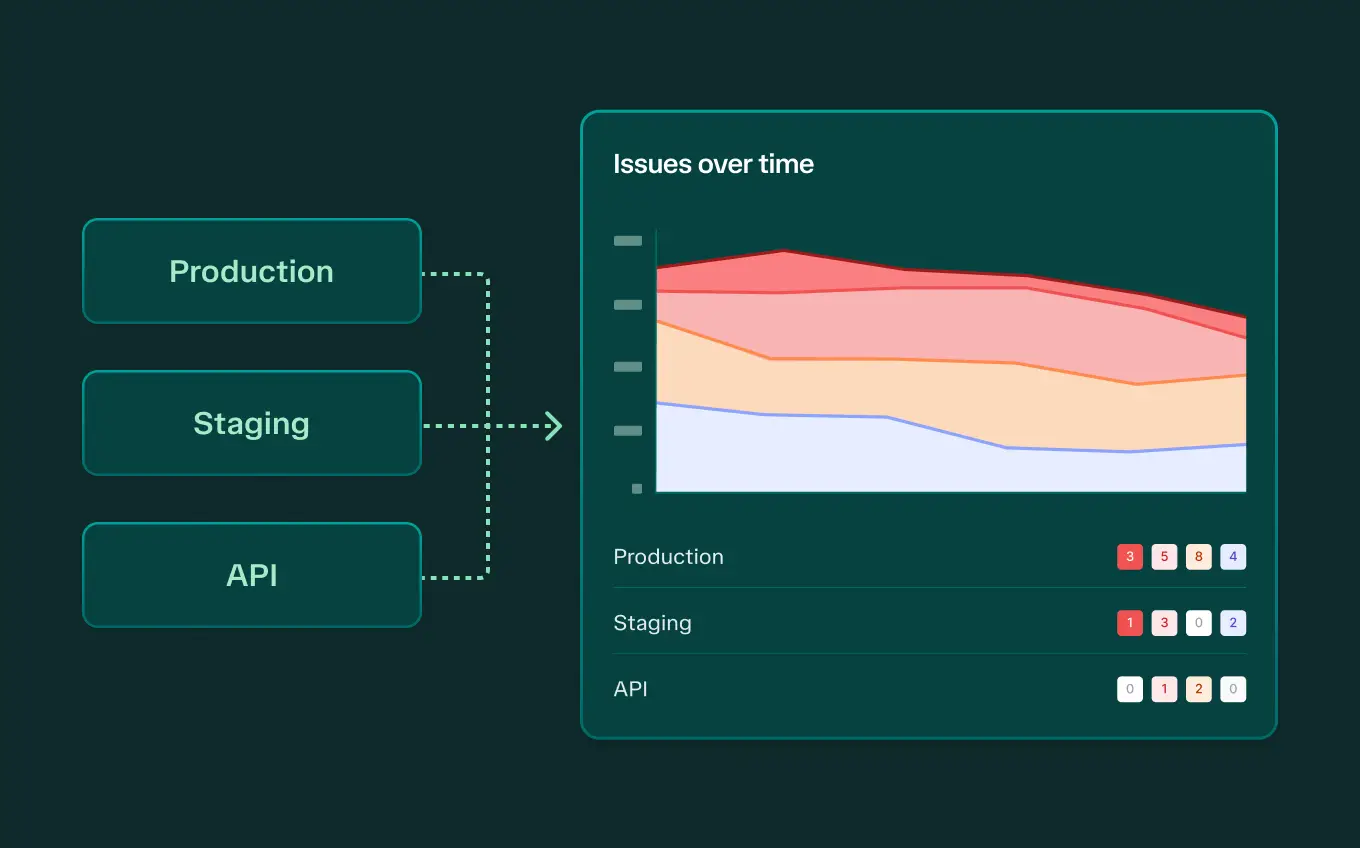
20x asks for fast remediation, and without severity triage that means your engineers patch every finding on a weekly treadmill. Mycroft rates each finding against FedRAMP’s own deadlines, tracks it from detection to the monthly report, and detects when the fix has landed, so your team works the short list, not the whole scanner output.
Agencies can see you are serious before the checkmark
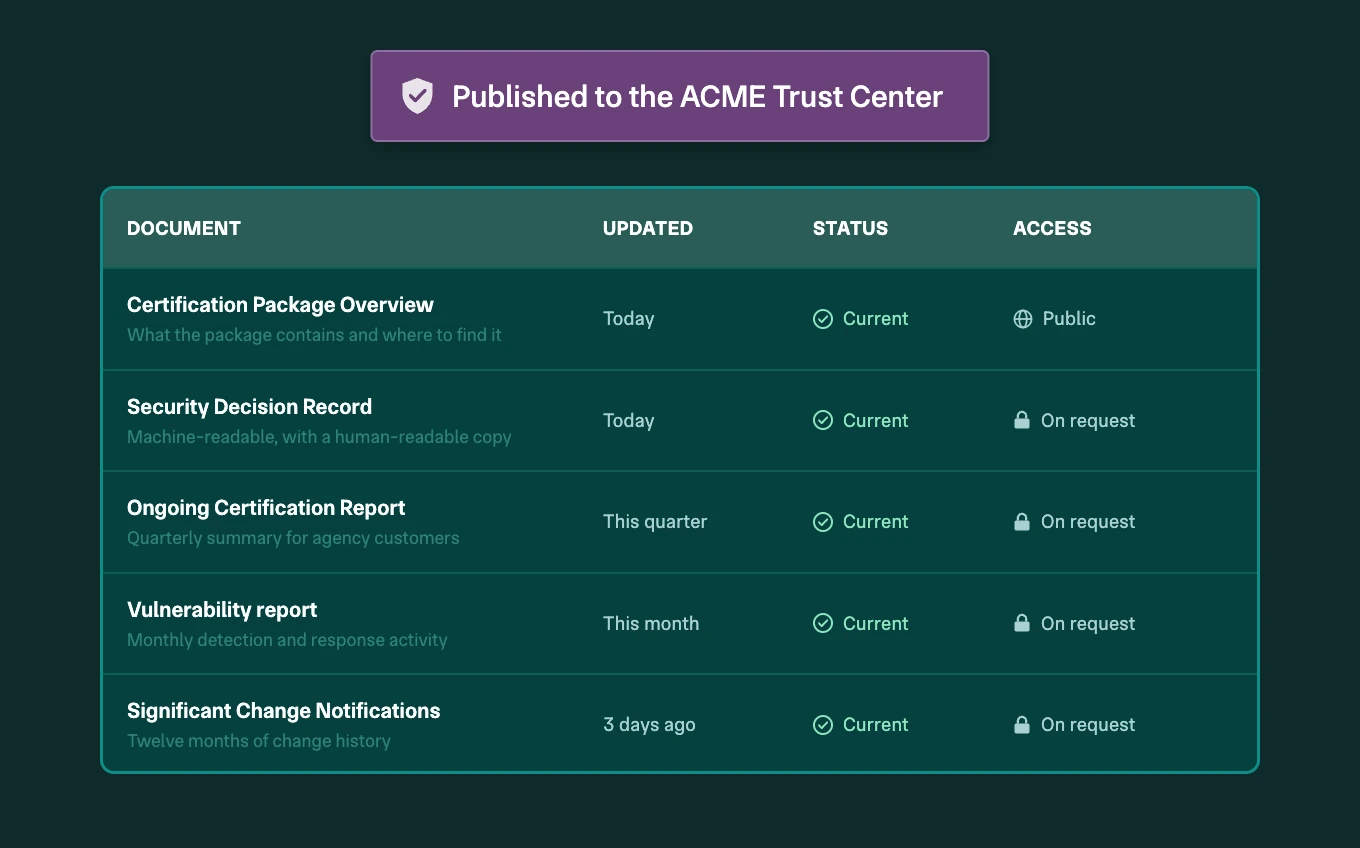
FedRAMP requires your certification data to live in a trust center that agencies and their systems can read. Mycroft publishes your package and reports there and keeps them current, so a procurement officer can check your status without emailing you, and your sales team has something to point at today.
Nobody on your team writes a 300-page security plan
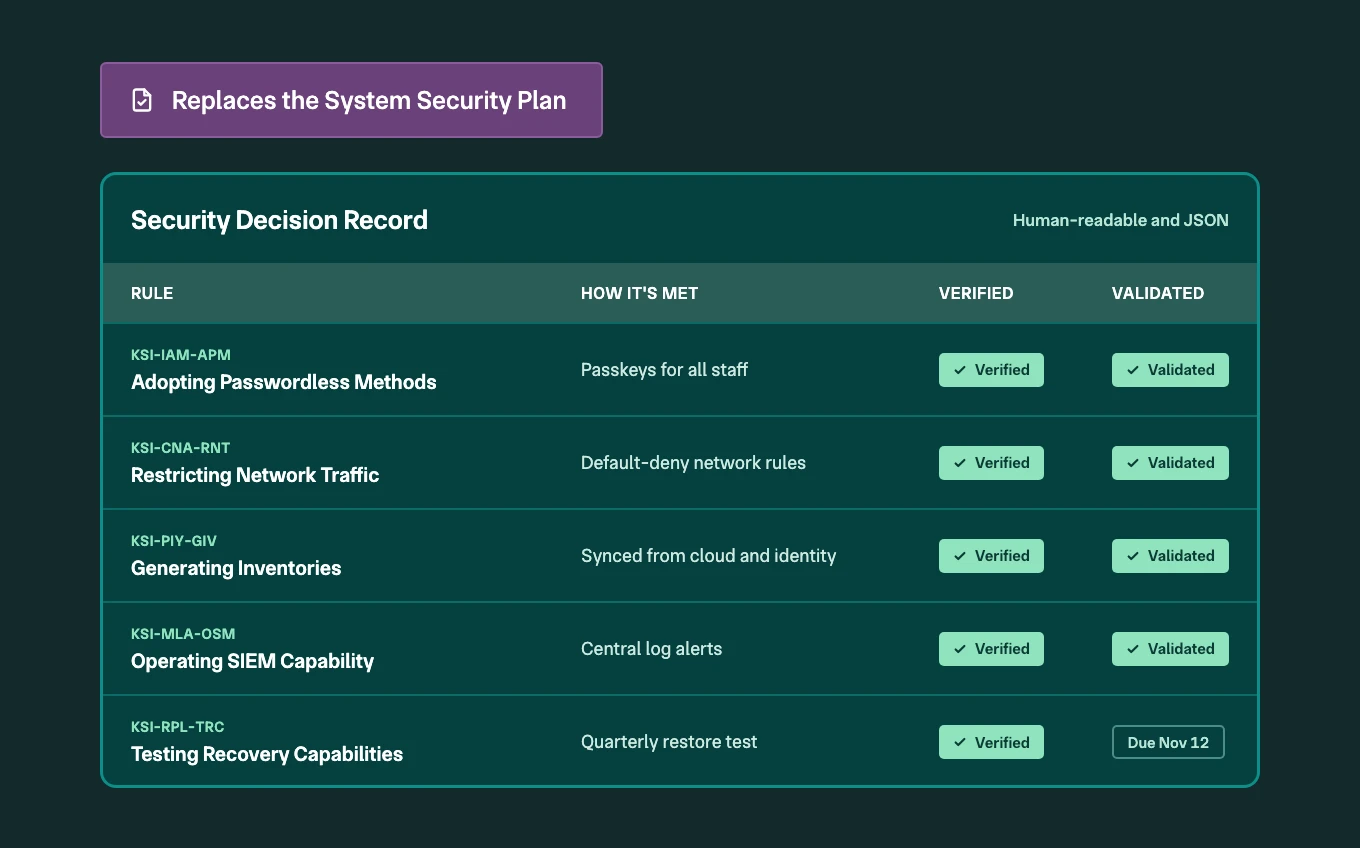
For Class B, C and D, the Security Decision Record replaces the System Security Plan. Mycroft builds it from your live controls and evidence, in the human-readable and JSON formats FedRAMP expects, and keeps it current as your decisions change. You review it. You do not author it.
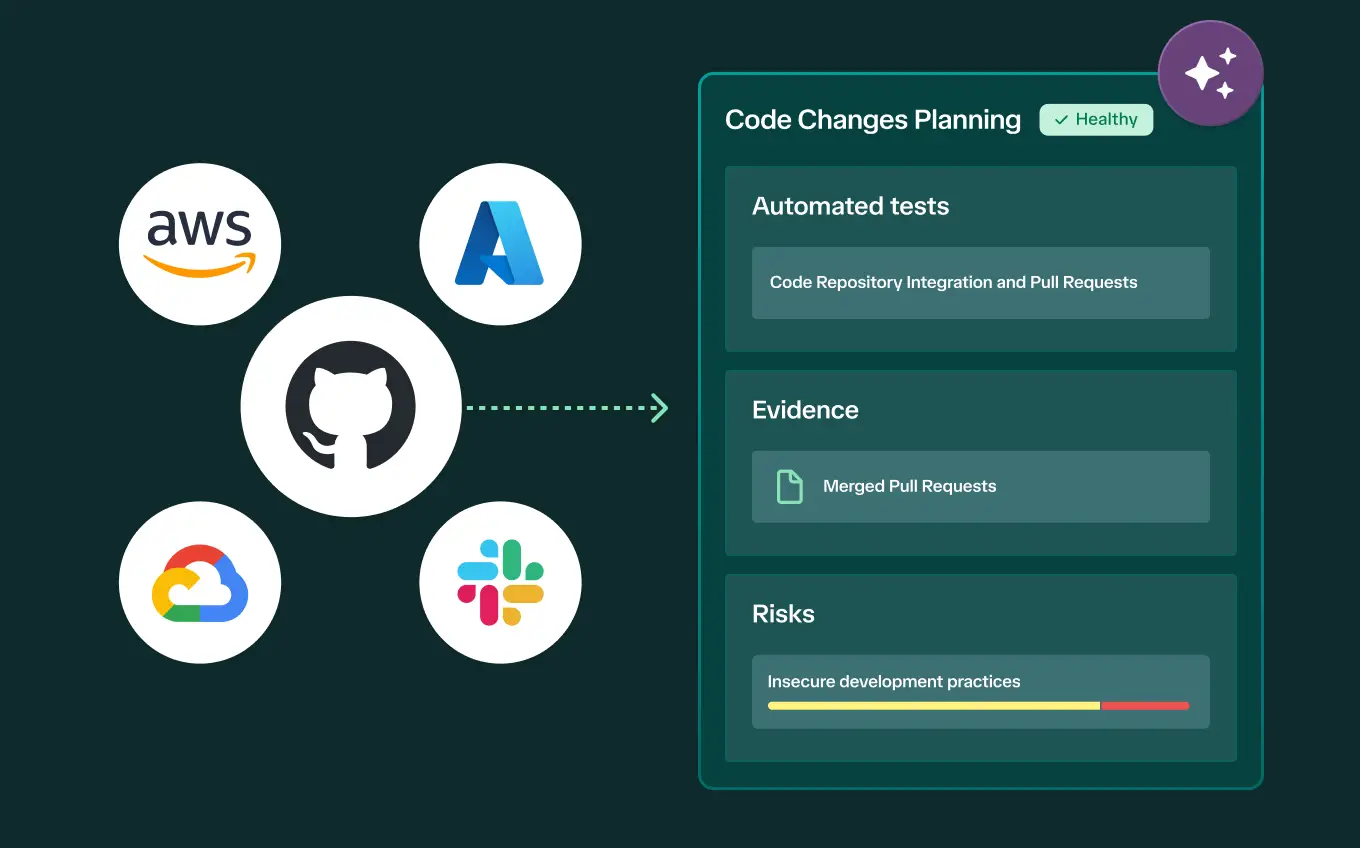
Evidence builds itself from day one
Class C wants at least two automated checks behind every indicator, with six months of history once you are operating. Mycroft collects that evidence continuously from your cloud, code and identity systems, so nobody spends the week before an assessment pulling screenshots.
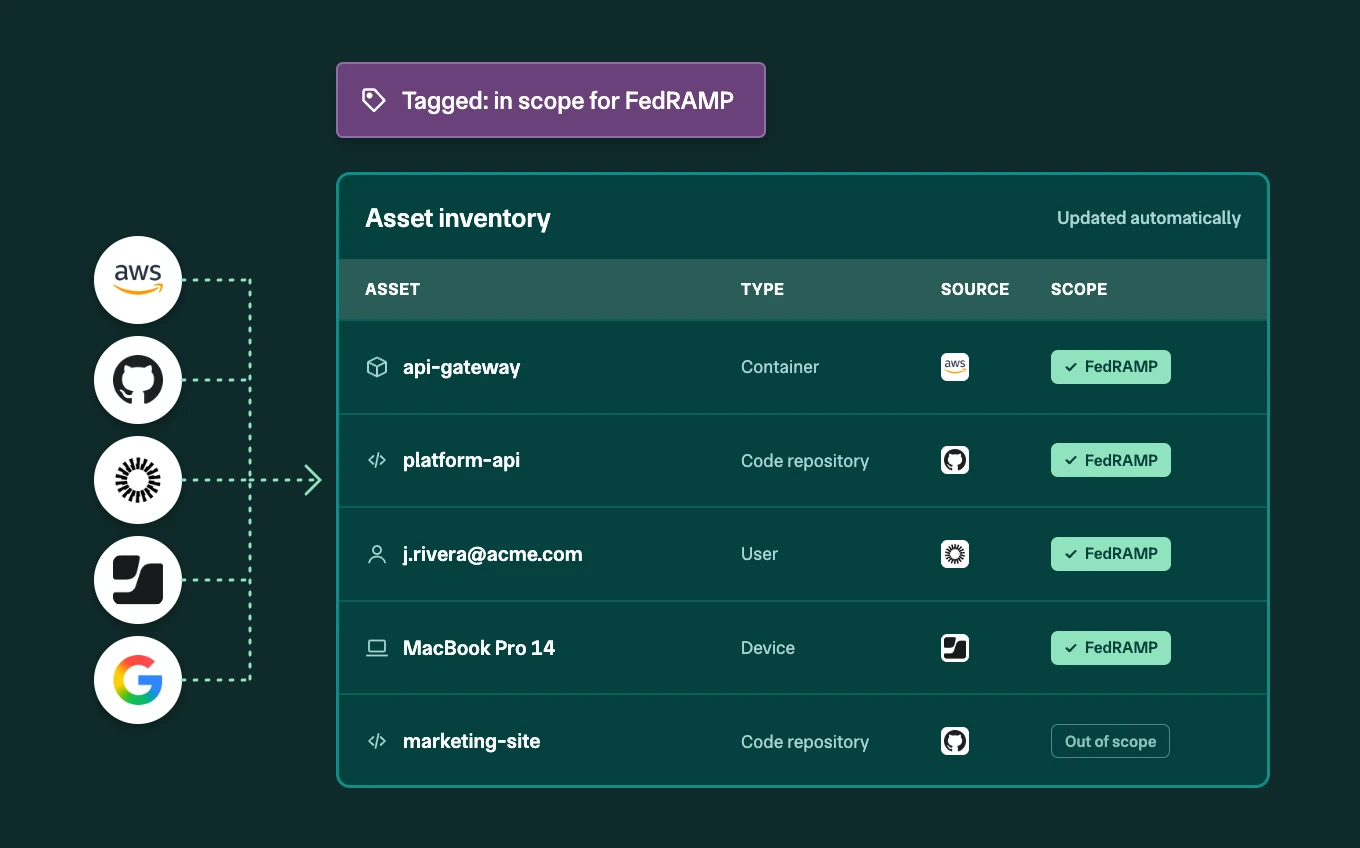
Nothing in scope slips through
The fastest way to fail a check is an asset nobody knew was in scope. Mycroft keeps your inventory current automatically, so every check covers all of it and you are never surprised by the assessor.
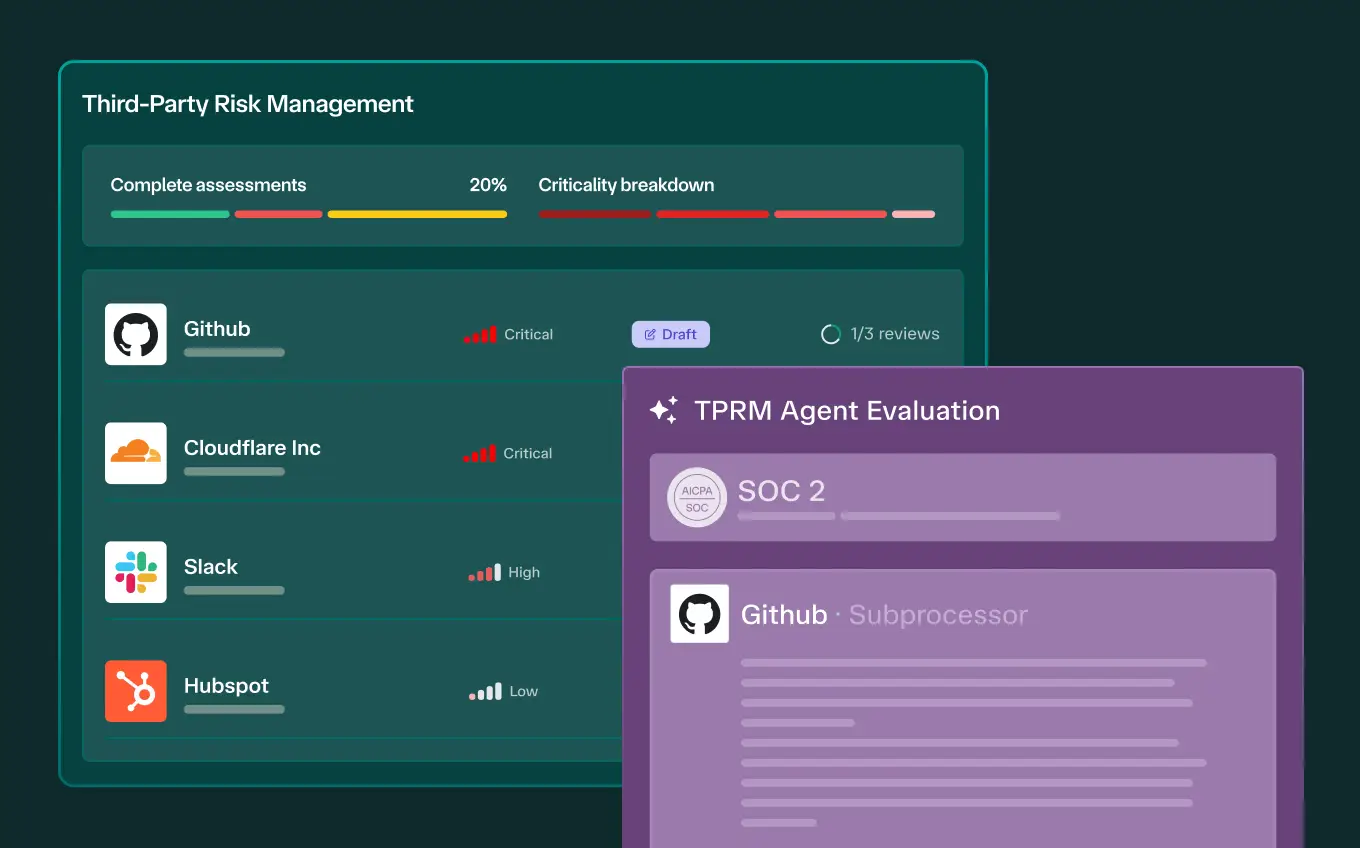
Your vendors stop being your blind spot
FedRAMP expects you to know every third-party service inside your boundary and to keep watching its risk. Track those vendors, their assessments and their access to federal data in one place, with SBOM tracking for the components inside your own software, so a supplier’s problem never becomes your finding.
Mycroft keeps you certified, quarter after quarter
Certification is the start, not the finish. 20x asks for a report every quarter and vulnerability activity every month. We keep all of it on schedule so it never lands on your desk at 11pm.
Quarterly report, assembled for you
The Ongoing Certification Report your agencies expect every three months, built from live data
Monthly vulnerability reporting
Detection, evaluation and reporting on FedRAMP’s clock, without a spreadsheet
Quarterly reviews, planned with you
We prepare the agenda and the numbers before you sit down with an agency
Annual assessment, no scramble
Evidence is already collected, so the yearly assessment is a review, not a rebuild
SOC 2 and FedRAMP, done once
Controls are cross-mapped, so the work you did for SOC 2 counts here too
Records kept current
Your Security Decision Record and machine-readable documents update as your system changes
Identity monitoring
Missing MFA and leftover accounts caught before an assessor finds them
Agency API access
Agency systems read your certification data directly from your trust center
Audit trail on every download
Every grant, NDA and download on the Trust Center is logged for you
Training that runs itself
FedRAMP-specific security training with on-hire and annual refreshers tracked for you
Client Testimonial

“
We would not be at this milestone without Mycroft. Huge shout out to Mike, Jon, Jan, and the entire Mycroft team for helping us get here and for staying with us for the much harder work ahead. Today, Casco is FedRAMP listed and we are heads-down focused on FedRAMP 20x Class C.”
Rene Brandel
Founder & CEO of Casco

Client Testimonial

“
Having Mycroft as our security partner has positioned us to be more competitive in the market. With their help, Wisedocs has been able to create a best-in-class security posture that customers can feel confident about.”
Jenna Earnshaw
COO of Wisedocs

Unlock other frameworks
Already have SOC 2? You are closer than you think. The same team and platform run your SOC 2, ISO 27001, ISO 42001 and FedRAMP programs, cross-mapped so nothing is done twice.


Frequently asked questions
The questions people ask us on the first call
I have never heard of FedRAMP 20x. Am I behind?
How much of my own time will this take?
Can we close the federal deal before we are certified?
Do we need an agency sponsor to start?
Is FedRAMP only useful for selling to the government?
We did Rev5 before. Is this the same slog?
Will this drown our engineers?
We already have SOC 2. How much more work is FedRAMP 20x?
What happens after we are certified?
What are the FedRAMP certification classes, and which one do I need?
Do we still need a 3PAO for FedRAMP 20x?
What documents does FedRAMP 20x require, and who writes them?
What are the key FedRAMP 20x dates?
We turn the compliance nightmare into a dream
Talk to us



1The 30-day timeline applies to FedRAMP 20x Class A, measured from kickoff to a submitted certification package. It assumes a SOC 2 Type II or GovRAMP report from the past 12 months, a service running on a major cloud platform, and your systems connected to Mycroft in the first week. Class B, C and D require an independent assessment and a period of collected evidence, so they take longer.