Audit & Compliance
Enterprise level security that results in quick compliance
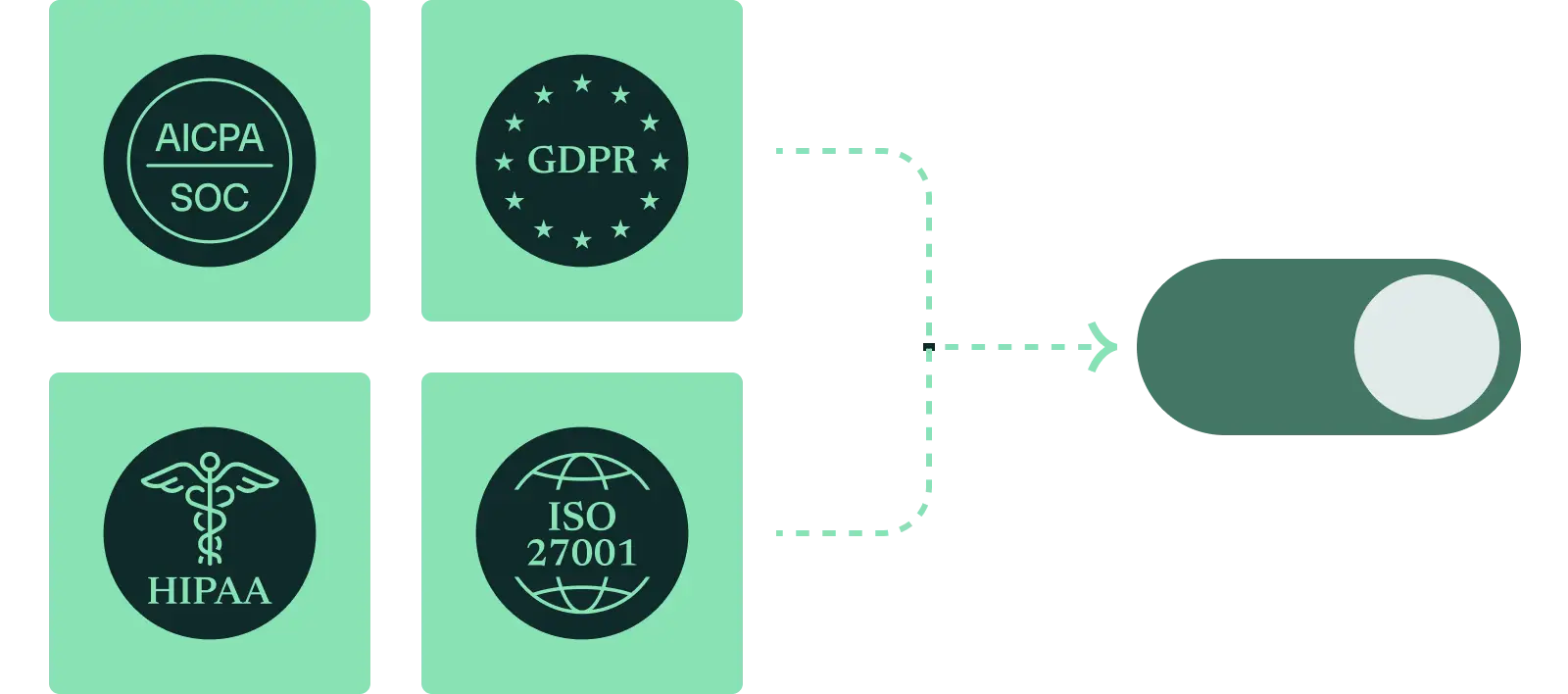
Achieve both enterprise grade security and continuous compliance quickly.
Trusted by Customers


Compliance
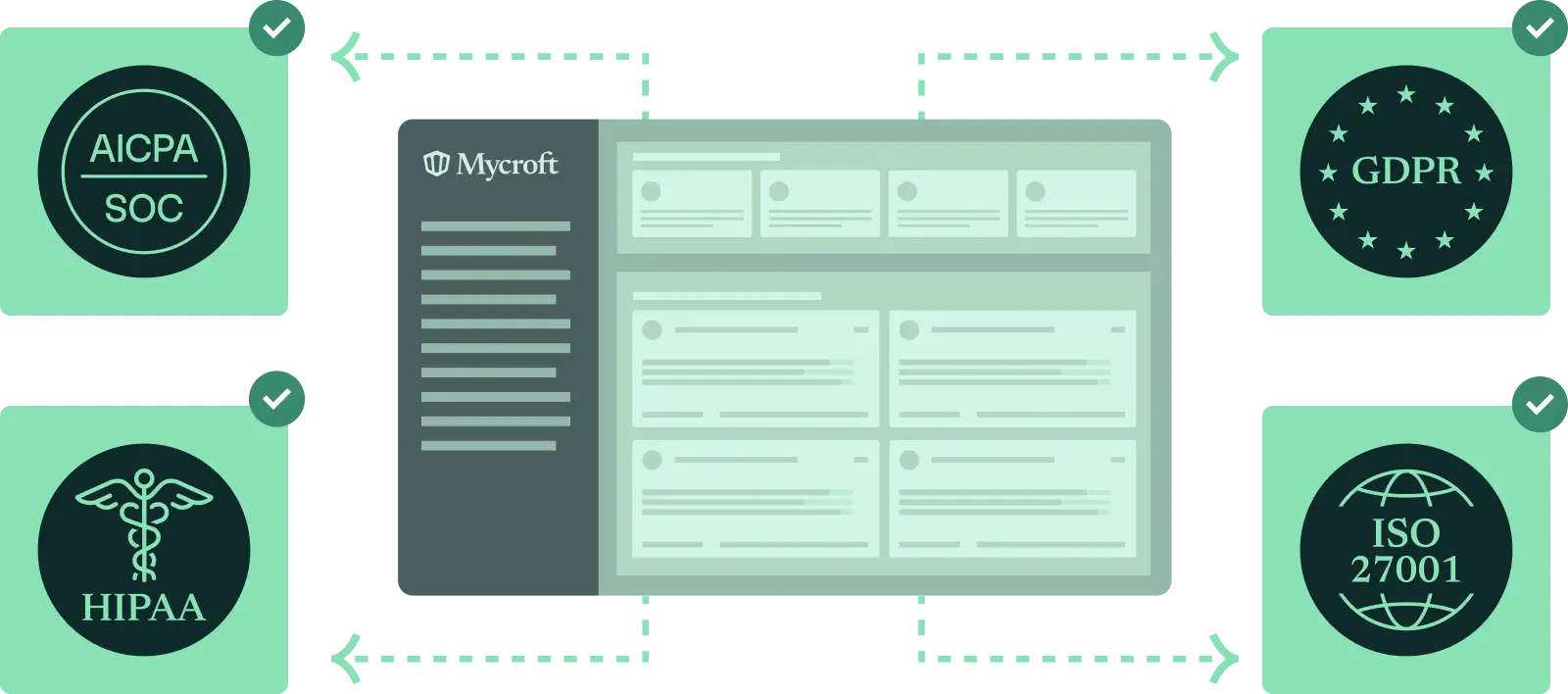
Leverage enterprise security
Mycroft’s integrated platform with its AI Agents is the platform for your entire security and compliance stack, so that you can focus on everything else.
Platform features
Accelerate your path to compliance with our advanced features
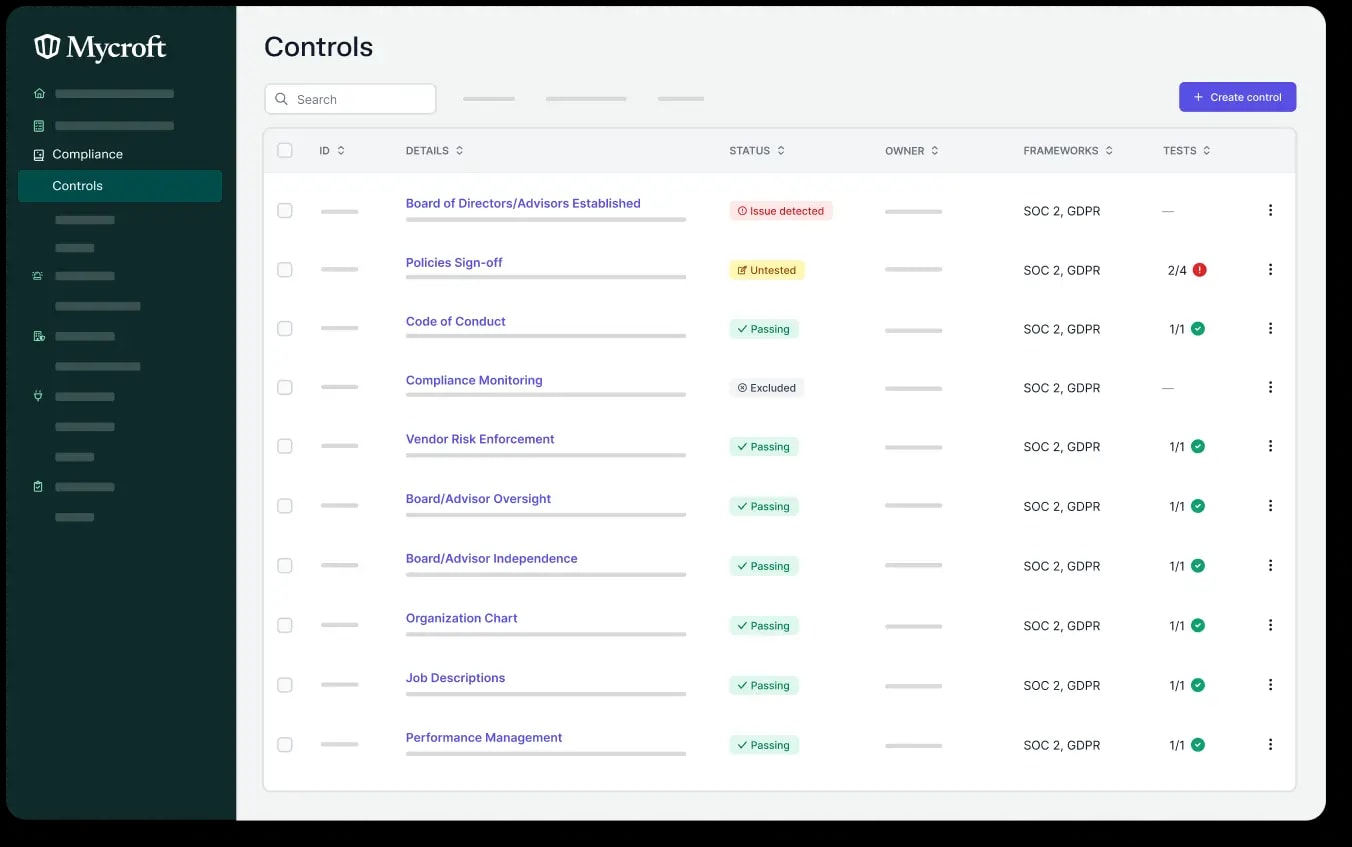
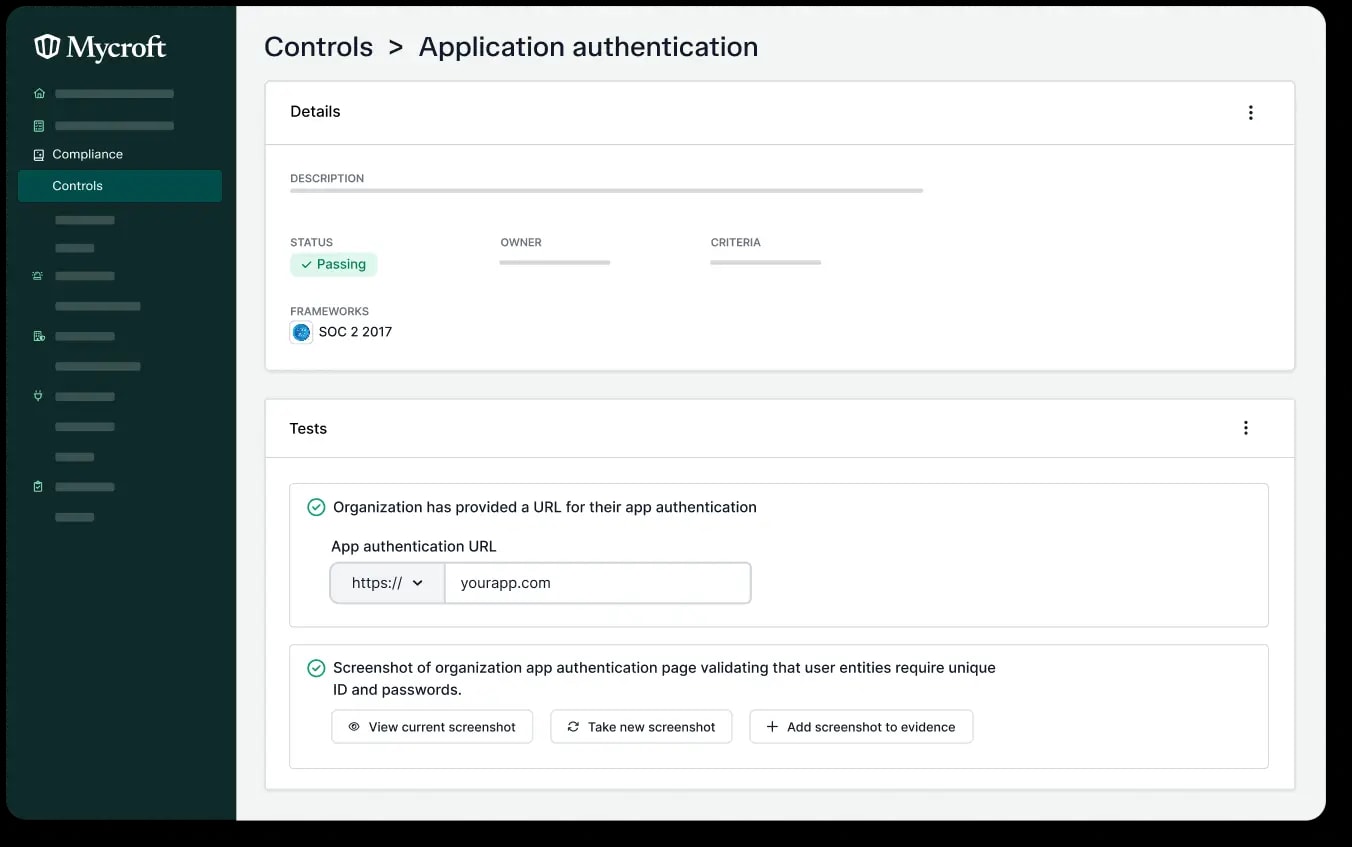
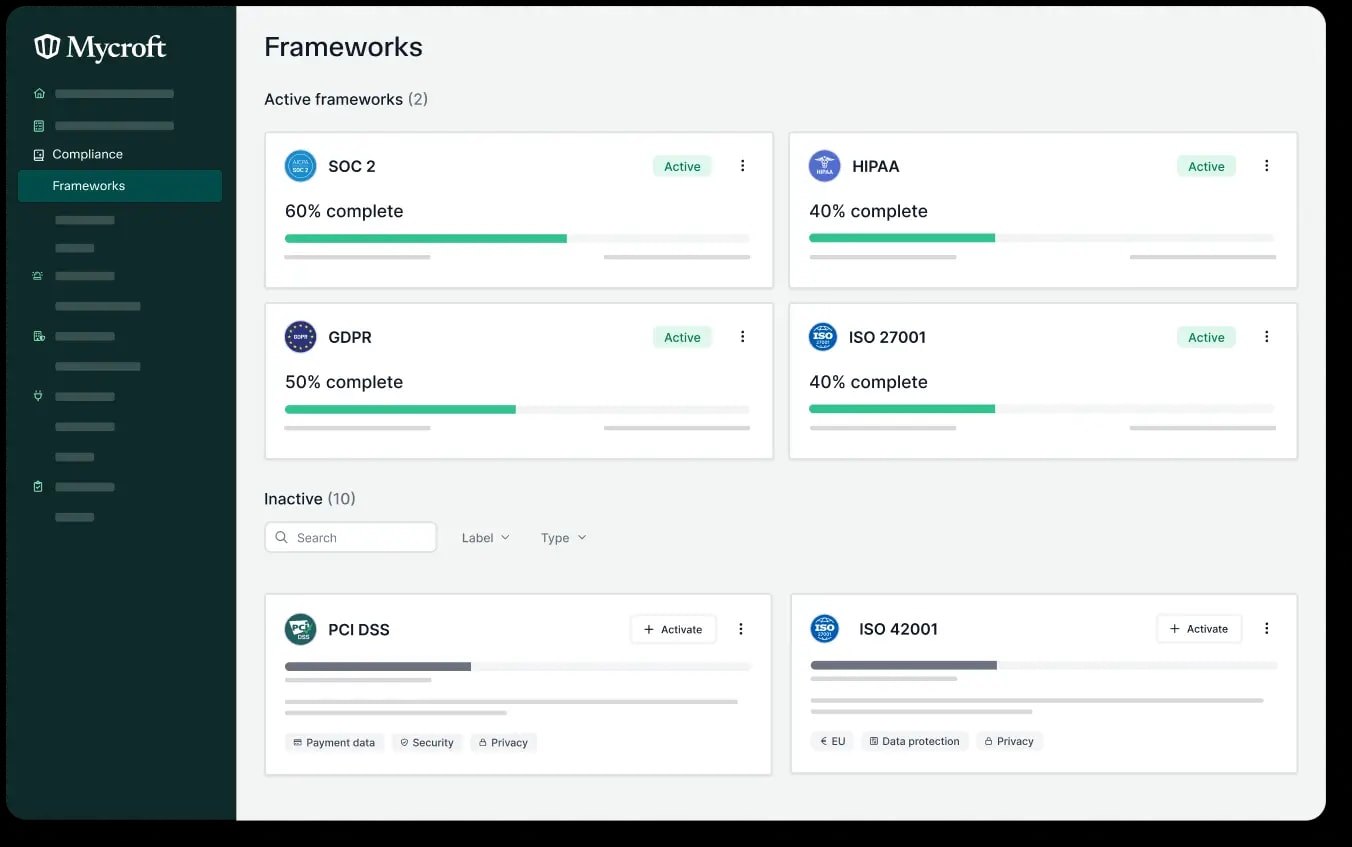
Our platform accelerates compliance through customizable controls, real-time dashboards, and streamlined workflows – enabling efficient and rapid growth.
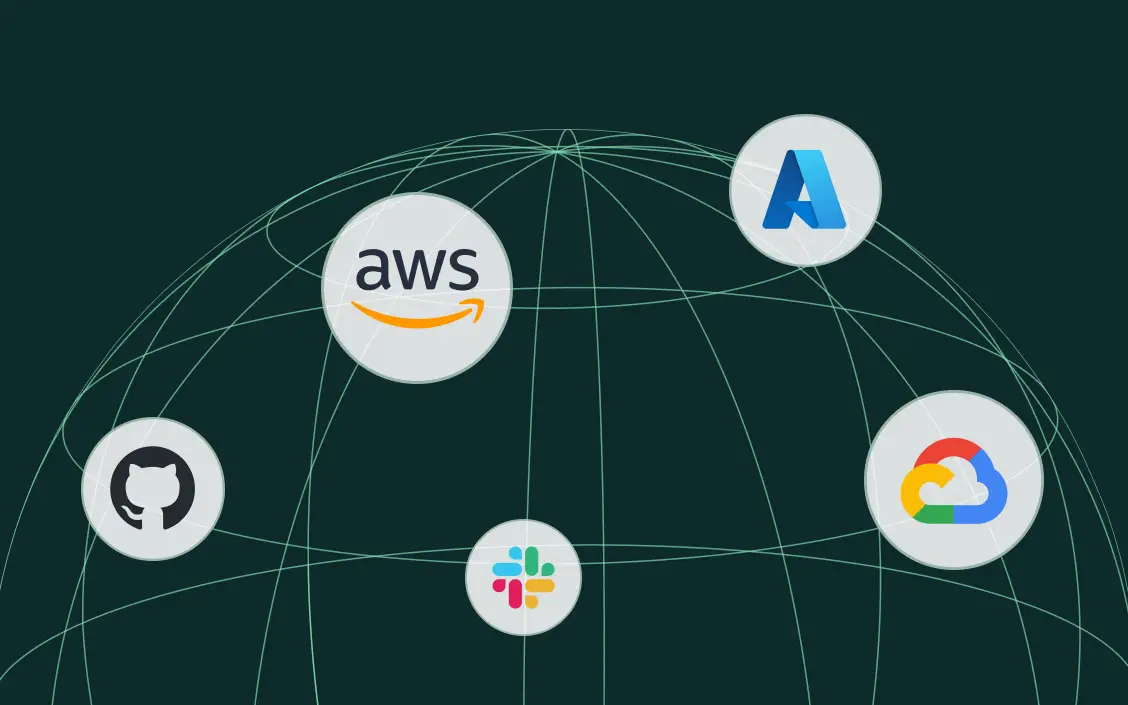
Integrations
Connects with existing tools to automate data collection and speed up compliance efforts.
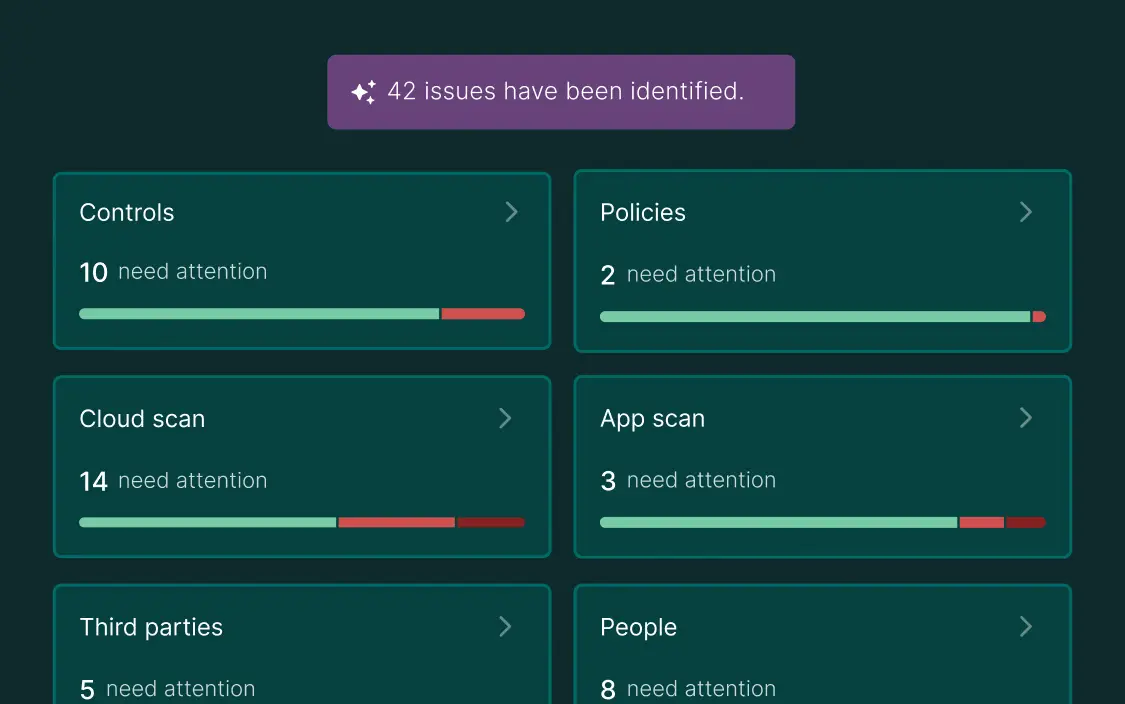
Monitoring
Provides real-time alerts to identify and fix issues quickly, keeping you on track.
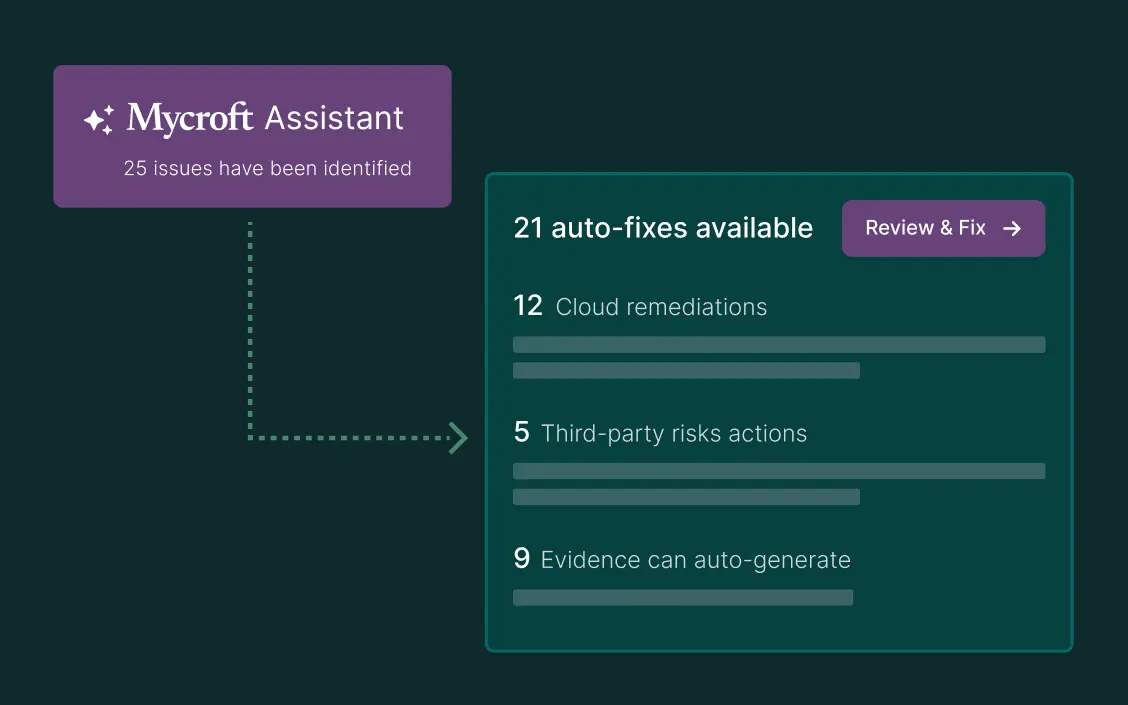
Remediation
Automates issue resolution for fast, efficient compliance without delays.
Book a demo
Client Testimonial

“
With Mycroft, they have a deep expertise in security, which is not a feature but a core foundation of their platform.”
Jorge Ferreiro
CEO of Smashsend

Read the latest insights from our experts
Stay secure with expert, data-driven resources to strengthen your security knowledge and ensure compliance confidence.
Frequently asked questions
What are the primary objectives of a cybersecurity audit?
The primary objectives include assessing the effectiveness of security controls, identifying vulnerabilities, ensuring compliance with regulations and standards, and improving overall risk management practices.
How can our organization prepare for a cybersecurity audit?
Preparation can involve conducting internal assessments, ensuring all documentation is up-to-date, training staff on security policies, and reviewing compliance with relevant regulations. It’s also helpful to ensure that all security controls are functioning and that any identified issues are addressed before the audit.
What is the difference between a compliance audit and a security audit?
A compliance audit focuses on assessing adherence to specific laws, regulations, or standards, while a security audit examines the overall effectiveness of security measures and practices in protecting information systems and data from threats.
What regulations and standards should our organization be compliant with?
This depends on the industry and the type of data being processed. Common standards include GDPR, HIPAA, PCI DSS, and NIST frameworks. Organizations should assess their regulatory landscape and ensure compliance with applicable requirements.
How can we effectively communicate audit findings to stakeholders?
Effective communication involves presenting findings in a clear, concise manner, highlighting both risks and recommended actions. Use visual aids, such as charts and dashboards, to convey the state of compliance and security clearly, and tailor the message based on the audience's technical understanding and interests.
What steps should we take if we fail an audit?
If an audit reveals non-compliance or vulnerabilities, organizations should develop an action plan to address the issues identified. This includes remediating the findings, implementing necessary changes to policies and controls, and scheduling follow-up reviews to ensure compliance improvements are sustained.
Stop managing tools. Start automating security.
Mycroft is the only platform that performs the full end-to-end delivery of your entire security and compliance requirements in a single platform powered by its AI Agents. Navigate security and compliance challenges without adding headcount.
Get Started


.webp)